You Won’t Believe These Hidden Viewpoints in Chefchaouen
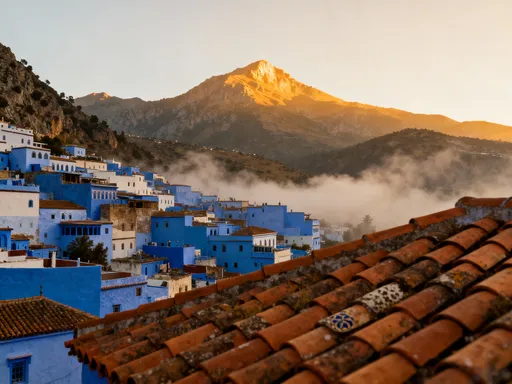
Nestled in the Rif Mountains, Chefchaouen isn’t just famous for its blue-washed streets—its breathtaking viewpoints are what truly steal the show. As the morning light spills over terracotta rooftops and fades into misty peaks, you’ll understand why this town feels like a dream. Perched between sky and stone, the city unfolds in layers of azure alleyways, mountain silhouettes, and quiet courtyards where life moves at its own gentle rhythm. I’m sharing the exact spots that gave me goosebumps, how to reach them, and smart tips to avoid crowds and capture the best moments. This isn’t just about sightseeing; it’s about seeing Chefchaouen with fresh eyes, from vantage points that reveal its heart and soul.
Why Viewpoints Make or Break Your Chefchaouen Experience
Chefchaouen’s magic lies in its elevation and layout. Built into the steep slopes of the Rif Mountains, the city rises in tiers, each turn revealing a new layer of color and shadow. While wandering the medina’s cobalt lanes is enchanting, it only tells half the story. Without stepping back—or climbing higher—the full scale of its beauty remains hidden. The town’s geography creates natural amphitheaters of rooftops and winding alleys, best appreciated from above. Elevation transforms the experience: from ground level, you see details—the hand-painted doors, the geraniums in window boxes, the quiet hum of daily life. From a height, you see patterns—the way blue flows like water through stone, how sunlight carves paths across whitewashed walls, how the mountains cradle the town like a protective hand.
Intentional viewpoint hunting enhances not just your photos, but your connection to the place. When you pause on a quiet hillside and take in the panorama, you begin to understand how geography shapes culture. The cool mountain air, the strategic placement of homes for shade and security, the way water channels run through the city—all become part of a larger narrative. These viewpoints are not just scenic stops; they are moments of reflection. They invite you to slow down, breathe deeply, and appreciate the harmony between human settlement and natural landscape. For many visitors, these elevated perspectives become the most memorable part of their trip, offering clarity both visual and emotional.
Moreover, the contrast between the urban and the wild is striking. From the highest vantage points, you can see the edge of the medina giving way to untamed greenery, where trails disappear into the hills. This duality—civilization nestled within wilderness—is part of what makes Chefchaouen so unique. It’s a place where daily life unfolds in harmony with nature, not in opposition to it. By seeking out these viewpoints, you’re not just observing scenery; you’re witnessing a way of life shaped by centuries of adaptation to the mountain environment. That deeper understanding is what turns a simple visit into a meaningful journey.
The Must-Know Before You Go: Timing, Gear, and Local Etiquette
Planning your viewpoint tour with care ensures comfort, respect, and better experiences. The timing of your visits can make a dramatic difference in both lighting and crowd levels. Sunrise is widely considered the best time to visit the major viewpoints, especially the Spanish Mosque. During early morning hours, the light is soft and golden, casting long shadows and enhancing the textures of stone and paint. The city wakes slowly, and the air carries a crisp freshness that makes climbing more enjoyable. Midday, by contrast, brings strong sunlight that can wash out photos and make narrow alleys uncomfortably warm. While some travelers prefer the brightness for color accuracy, most photographers and seasoned visitors agree that dawn offers the most magical atmosphere.
Footwear is essential. The paths leading to viewpoints are often uneven, made of packed earth, loose gravel, or irregular stone steps. Comfortable walking shoes with good grip are highly recommended—sandals or flat-soled shoes may not provide enough support, especially on descents. Dress in light layers; temperatures can shift quickly in the mountains, and you’ll likely warm up while climbing. A small backpack with water, sunscreen, and a light jacket is ideal. Consider bringing a hat for sun protection, particularly if you plan to spend time at higher elevations where shade is limited.
Respecting local culture is just as important as being prepared physically. Many viewpoints overlook residential areas, and some require passing through quiet neighborhoods. Always be mindful when taking photographs—avoid zooming in on people without permission, especially women and children. If you wish to photograph a home or courtyard, a polite smile and gesture of asking can go a long way. Moroccans are generally welcoming, but privacy is valued. Avoid loud conversations or disruptive behavior near homes. Remember, you’re a guest in a living community, not just a tourist in a postcard scene. Simple gestures of respect—like greeting locals with a quiet “Salam alaikum”—can open doors to warmer interactions and even unexpected invitations.
The Iconic Spanish Mosque: Still Worth the Hike?
One of the most photographed landmarks in Chefchaouen, the Spanish Mosque sits on a hilltop just above the medina, offering a sweeping view of the blue city nestled in the valley. The hike to reach it takes about 20 to 30 minutes from the heart of the old town, depending on your pace. The path begins near the Grand Mosque and winds upward through a mix of paved steps and dirt trails, marked occasionally by small signs or the footprints of previous travelers. While not technically difficult, the climb involves steady elevation gain, so it’s best taken slowly, especially in warmer weather. Along the way, you’ll pass olive trees, wild thyme, and occasional stone walls that hint at the agricultural history of the area.
Once you arrive, the reward is immediate. From the mosque’s terrace, you can see the entire medina spread out below, a mosaic of blue rooftops, narrow alleys, and terracotta chimneys. On clear days, the Rif Mountains stretch into the distance, their ridges fading into soft blue haze. The contrast between the cool tones of the city and the warmth of the surrounding landscape creates a visual balance that feels almost painterly. This vantage point is particularly stunning at sunrise, when the first light catches the eastern walls and the city emerges from shadow like a waking dream.
Despite its popularity, the Spanish Mosque remains a must-see for good reason. It offers one of the most comprehensive views of Chefchaouen, making it ideal for first-time visitors trying to orient themselves. However, its fame means it can get crowded, especially between 9 a.m. and 11 a.m., when tour groups arrive. To avoid this, aim to reach the site by 7:30 a.m. or later in the afternoon when the light shifts toward golden hour. Even with others around, a moment of stillness—closing your eyes, listening to the wind, breathing in the mountain air—can make the experience deeply personal.
The mosque itself is no longer used for worship, having been abandoned decades ago, but its structure remains intact. It serves now as a silent observer of the city it overlooks, a quiet monument to a bygone era. There’s a sense of peaceful solitude here, even with visitors present. Many travelers light small candles or leave quiet notes, not as religious offerings but as personal reflections. Whether you’re drawn by the view, the history, or the sense of calm, the Spanish Mosque delivers on all fronts. It’s not just a destination; it’s a moment of pause in the rhythm of travel.
Beyond the Mosque: The Hidden Overlook Most Tourists Miss
Just a short detour from the main trail to the Spanish Mosque lies a lesser-known viewpoint that few tourists discover. This hidden overlook offers an equally stunning panorama but with far fewer people. To find it, take the same path toward the mosque but look for a narrow footpath branching off to the left about halfway up, marked by a cluster of low stone walls and a fig tree. The trail is not officially signposted, but it’s well-trodden and safe for careful walking. This spot faces slightly west, giving you a different angle on the city—one that captures the way blue houses cascade down the hillside like a waterfall of pigment.
What makes this location special is its intimacy. Unlike the open terrace of the mosque, this overlook feels tucked away, almost secret. You’re surrounded by wild herbs and the soft rustle of leaves, with only the occasional birdcall breaking the silence. The view includes not just the medina but also the surrounding orchards and the first folds of the deeper mountains. At golden hour, when the sun dips low, the entire valley glows in warm amber light, and the blue walls take on a deeper, richer tone. It’s a favorite among local artists and photographers who seek solitude and authentic light.
This vantage point is perfect for those who want to experience Chefchaouen without the buzz of crowds. You might share the space with only one or two other travelers, if anyone at all. It’s an ideal place to sit quietly, journal, or simply absorb the beauty without distraction. Because it’s off the main route, it also offers a sense of discovery—a reminder that even in well-trodden destinations, there are still quiet corners waiting to be found. For families or older travelers, the path may require a bit of extra caution due to its uneven surface, but the effort is well worth the reward of peace and perspective.
Visiting this hidden spot also supports more sustainable tourism. By choosing lesser-known viewpoints, you reduce pressure on the most popular sites and help preserve their condition. It encourages a slower, more thoughtful way of traveling—one that values quality of experience over checklists. And in doing so, you’re more likely to form a genuine connection with the place, remembering not just how it looked, but how it felt to be there, alone with the wind and the view.
The Medina’s Rooftop Secret: A Local’s Perspective
One of the most unique ways to see Chefchaouen is from the rooftops of its traditional guesthouses. Many locally run riads and small hotels offer access to their terraces, either by invitation or upon request. These rooftops provide an elevated yet intimate view of the medina, where you can see the intricate network of alleyways, tiled roofs, and inner courtyards that make up daily life. Unlike the distant panoramas from mountain trails, rooftop views bring you close enough to hear conversations, smell cooking spices, and watch laundry flutter in the breeze—without intruding.
Gaining access is usually a matter of polite inquiry. If you’re staying at a guesthouse, simply ask the owner or host if rooftop access is possible. Many are happy to oblige, especially in the early morning or late afternoon. Even if you’re not a guest, some establishments allow brief visits, particularly if you’ve dined there or purchased something from their shop. The key is to approach with respect and gratitude. A small tip or kind word can make all the difference. Some hosts may even join you, offering tea and stories about the neighborhood—a rare and touching exchange that enriches the experience far beyond the visual.
From these rooftops, you begin to appreciate the craftsmanship of the city. The way roofs are layered like steps, the hand-painted tiles around fountains, the wooden shutters that open to catch the breeze—all speak to a deep understanding of climate, culture, and community. You also gain a sense of how space is used efficiently in a mountain town where land is limited. Courtyards serve as private gardens, rooftops become outdoor living rooms, and every corner is designed with both beauty and function in mind. Capturing these details in photographs requires patience and discretion; always be mindful of people’s privacy, especially in shared or semi-private spaces.
For travelers seeking authenticity, these rooftop moments often stand out as the most human part of the journey. They remind you that Chefchaouen is not a museum but a living town, where families grow up, elders sip tea in the sun, and children play in shaded alleys. Seeing it from above, yet so close, fosters a quiet appreciation for the rhythms of daily life. It’s a perspective that can’t be found in guidebooks—a gift offered freely by those who call this place home.
The Mountain Trail to Ras El Maa: Nature Meets the City
For a different kind of viewpoint experience, follow the path to Ras El Maa, the natural spring that serves as Chefchaouen’s water source. This trail begins at the northern edge of the medina and winds upward through greenery, following the flow of water from its origin. Unlike the panoramic hilltop views, this journey is about movement and transformation. You start in the urban heart, where tiled fountains and stone channels carry water through public squares, then gradually enter a more natural setting—rocky paths, moss-covered stones, and the sound of rushing water growing louder with each step.
The landscape here shifts dramatically. Within minutes, you leave behind shops and cafes and enter a canyon-like corridor shaded by fig and walnut trees. The air cools, and the scent of damp earth and wild mint fills your senses. The spring itself is a modest opening in the rock, marked by a stone arch and a steady flow of clear, cold water. Locals still come here to collect water, believing it to be purer and more refreshing than tap water. Watching them fill their jugs is a small but powerful reminder of how deeply connected this community remains to its natural resources.
Along the trail, there are several natural terraces where you can sit and take in the view. From these points, you see how the city blends into the mountain—houses built into the rock, staircases carved into stone, and laundry lines strung between buildings like threads of daily life. It’s an organic, evolving landscape where nature and architecture coexist. Photographers will appreciate the interplay of light and shadow, the textures of wet stone and weathered wood, and the way water reflects the blue walls above. This is not a grand vista, but a series of quiet revelations—each turn offering a new composition, a new detail to admire.
The walk to Ras El Maa is also accessible to most fitness levels, making it a great option for families or those who prefer a gentler pace. It’s short—about 15 to 20 minutes one way—but rich in sensory detail. And because it’s not marketed as a major tourist attraction, it tends to be less crowded than the main viewpoints. You’ll likely encounter more locals than visitors, which adds to its authenticity. Whether you come for the view, the water, or the peaceful walk, Ras El Maa offers a refreshing contrast to the more photographed spots, grounding your experience in the everyday life of the town.
Putting It All Together: Crafting Your Perfect Viewpoint Itinerary
With so many options, it helps to plan a balanced itinerary that matches your interests and energy level. For a half-day experience, start early—around 6:30 a.m.—and head straight to the Spanish Mosque for sunrise. Allow time to linger, then descend through the medina, stopping at a rooftop guesthouse for tea. Mid-morning, visit Ras El Maa for a refreshing walk and a glimpse of local life. This route combines iconic views with quieter moments and can be completed by noon, leaving the afternoon free for shopping, dining, or rest.
If you have a full day, extend your journey. After the mosque, take the detour to the hidden overlook for a more secluded perspective. Return to the medina for a midday break, then set out in the late afternoon toward the western hills for golden hour photography. Many smaller trails lead to unofficial vantage points—ask locals for directions to “the quiet view” or “where the artists go.” These informal recommendations often lead to the most memorable spots. Always carry a simple map or use an offline GPS app to stay oriented; the medina’s maze-like streets can be disorienting, especially after a long day of walking.
Fitness level matters when planning your route. The climbs are manageable for most, but they involve sustained elevation and uneven terrain. Take frequent breaks, stay hydrated, and wear comfortable shoes. Travelers with limited mobility may still enjoy rooftop views and the Ras El Maa trail, both of which are relatively gentle. For families with young children, consider breaking the hikes into shorter segments and scheduling plenty of downtime. The goal is not to check off every viewpoint but to savor each one—letting the beauty sink in, rather than rushing from one spot to the next.
Finally, remember that the best views often come to those who wait. A crowded overlook can transform into a moment of solitude with just a few minutes of patience. The light changes, people move on, and suddenly you’re alone with the landscape. These unplanned moments—when the wind stills, the city hums softly below, and you feel completely present—are what make travel meaningful. Chefchaouen rewards the mindful traveler, the one who looks not just with their eyes, but with their heart.
Conclusion
Chefchaouen’s viewpoints offer far more than picturesque backdrops for photographs. They are invitations—to see deeper, to climb higher, to connect more fully with a place that blends natural beauty and human artistry in rare harmony. Each vantage point tells a different part of the story: the grandeur of the Spanish Mosque, the quiet magic of the hidden overlook, the daily rhythms from a rooftop, the living stream at Ras El Maa. Together, they form a mosaic of experience that goes beyond sightseeing.
But the true value of these viewpoints lies not just in what you see, but in how they change you. They encourage patience, presence, and respect—for the land, for the people, for the slow unfolding of beauty. In a world that often feels rushed and disconnected, Chefchaouen reminds us that some things are worth climbing for. Whether you’re standing on a hill at dawn or sipping tea on a rooftop as the sun sets, you’re not just visiting a destination. You’re becoming part of its quiet, enduring story. So explore with curiosity. Climb with care. And let the views lead you not just to better photos, but to a deeper understanding of what it means to truly see.