This Is What Happens When You Take Photos While Shopping in Olympia, Greece
You know that feeling when a place just clicks? Olympia, Greece, did that for me—but not in the way I expected. I went for the ancient ruins, stayed for the golden light at sunset… and completely lost myself in the little shops tucked behind cobbled lanes. Through my lens, every handmade bracelet, olive wood carving, and local weave told a story. Photography didn’t just capture my shopping experience—it transformed it into something deeper, more personal. It shifted my focus from buying souvenirs to collecting moments, from walking through streets to truly seeing them. What began as casual snapshots evolved into a quiet practice of presence, turning each purchase into a memory with texture, light, and meaning.
Arrival in Olympia: A Photographer’s First Impressions
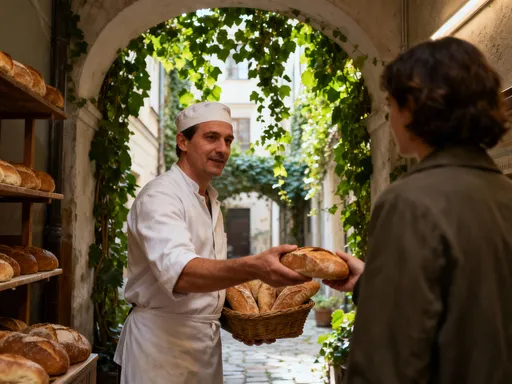
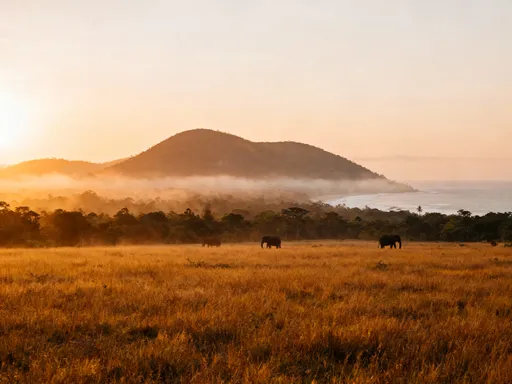
The first thing that strikes you about Olympia is not the ruins, not the history, but the light. It spills over the hills in soft gold, filtering through cypress trees and catching on whitewashed walls. The air carries the scent of pine and warm stone, mingling with the faint aroma of freshly baked bread from a corner bakery. As I stepped off the local bus, camera slung over my shoulder, I felt a stillness—a rare hush that seems to belong only to places where time has settled deeply into the soil. This wasn’t the bustling energy of Athens or the seaside buzz of Mykonos. Olympia felt quieter, more contemplative, like a town that remembers its purpose.
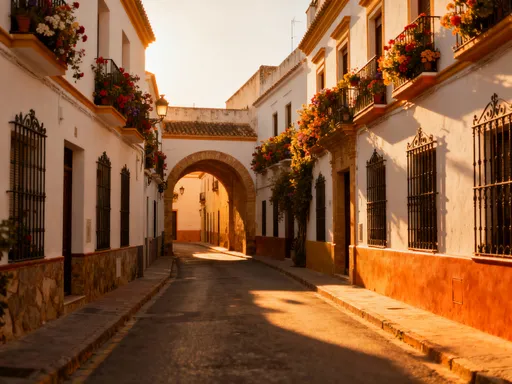
My initial expectation had been simple: visit the archaeological site, admire the Temple of Zeus, maybe snap a few postcard-worthy shots before heading back. But reality unfolded differently. The modern village of Olympia, nestled beside the ancient grounds, revealed itself as a living, breathing extension of history. Narrow lanes curved gently between low stone buildings, their doors painted in faded blues and ochres. Flower boxes overflowed with geraniums, and hand-painted signs in Greek and English pointed to family-run cafes and small artisan shops. It was here, in this delicate balance between past and present, that my journey truly began.
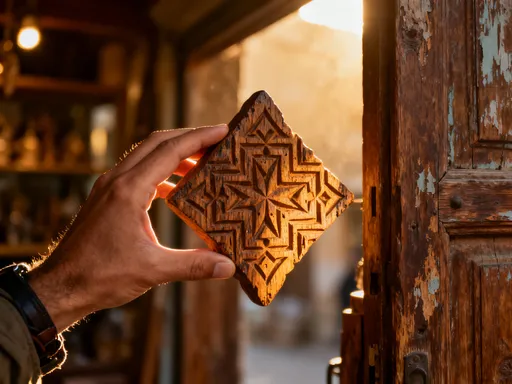
Photography became my anchor. As I walked, I found myself pausing more often—not just to look, but to frame. A weathered wooden door with peeling paint caught my eye, its texture illuminated by afternoon sun. A woman in a floral apron swept her doorstep, her movements slow and rhythmic. These were not grand sights, but they carried weight. Through the lens, I learned to notice what I might have otherwise overlooked: the way shadows fell across cobblestones, how light danced on a copper pot in a shop window, or the quiet dignity in a craftsman’s hands as he polished a piece of olive wood. Each photo was not just a record, but a moment of connection—a way of saying, I see you.
The Heart of the Town: Strolling Through the Main Shopping Streets
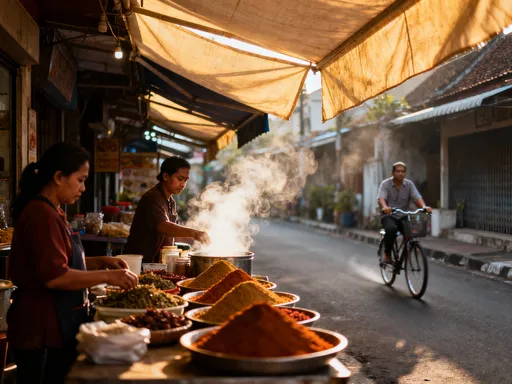
The central pedestrian zone in Olympia pulses with gentle energy. Lined with family-run boutiques, open-air stalls, and shaded terraces, it’s a place where tradition and tourism coexist with surprising harmony. Unlike the crowded souvenir markets of larger Greek islands, Olympia’s shops feel curated, personal—many bearing names passed down through generations. As I wandered, my camera ready, I noticed how each storefront told a story. Some displayed ancient replica coins and miniature statues of Hermes, echoing the sacred grounds nearby. Others showcased modern interpretations of Greek design: linen dresses in earthy tones, hand-thrown ceramics with organic glazes, or woven bags dyed with natural pigments.
What fascinated me most was not just what was for sale, but how it was presented. A rack of sandals sat beneath a striped canvas awning, their leather straps catching the midday light. I crouched slightly and took a close-up—grainy texture, soft shadows, the contrast of dark brown against sun-bleached fabric. In that moment, the image wasn’t about the product, but about the atmosphere: the warmth, the craft, the quiet pride of a local vendor folding towels nearby. Photography allowed me to slow down and appreciate the scene as a whole—the rhythm of life unfolding in small, beautiful details.
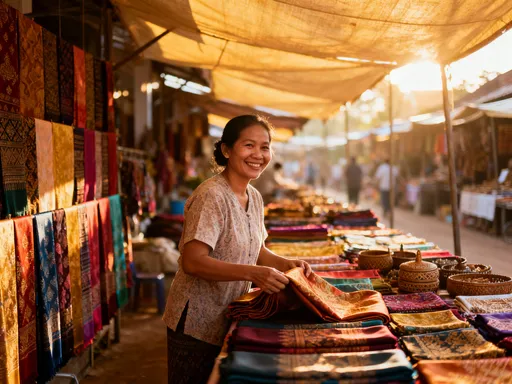
I spoke with a shopkeeper who had inherited her mother’s textile business. She showed me a bolt of handwoven fabric, its pattern inspired by ancient Minoan motifs. “We don’t make these for tourists,” she said gently. “We make them because they’re part of who we are.” Her words stayed with me. In Olympia, shopping isn’t just transactional—it’s cultural. And through photography, I found myself not just observing, but participating. Each image I took felt like a small act of respect, a way of honoring the care and continuity behind every object on display.
Behind the Lens: How Photography Changes the Way You Shop
Carrying a camera does something subtle but profound: it changes your pace. Without one, shopping can be quick, goal-oriented—find the gift, make the purchase, move on. But with a lens between you and the world, everything slows. You begin to notice. You pause before reaching for an item. You study the way light falls across a necklace, the way a vendor arranges jars of local honey, the quiet concentration on a potter’s face as she shapes clay. Photography turns shopping from a series of transactions into a series of observations.
I remember standing in front of a small jewelry stall, drawn to a silver pendant shaped like an olive leaf. As I raised my camera, the artisan looked up and smiled. “Would you like to know how it’s made?” she asked. That simple question opened a conversation that lasted twenty minutes. She showed me her tools, explained the significance of the olive in Greek culture, and even let me try stamping a design into a soft metal blank. By the time I bought the pendant, it wasn’t just a souvenir—it was a story. And the photo I took of her hands guiding mine became a companion to the object, a visual thread connecting me to that moment.
This is the quiet magic of photographing while shopping: it invites interaction. It signals curiosity, not just consumption. Shopkeepers respond to genuine interest, often sharing more than they would to a hurried customer. And when you later look at the photo—the curve of a smile, the texture of a fabric, the warmth of a shared laugh—it carries emotional weight far beyond the item itself. The purchase becomes layered with memory. The object is no longer just a thing; it’s a vessel for experience. In a world of mass-produced souvenirs, this depth is rare. Photography, in this way, doesn’t just document—it deepens.
Hidden Gems: Off-the-Beaten-Path Artisans and Workshops
Beyond the main streets, tucked into quieter lanes and side alleys, Olympia holds a different kind of treasure: the workshops of local artisans. These are not storefronts designed for foot traffic, but working spaces where craft is still practiced with patience and pride. I found one such studio behind a narrow archway, its entrance marked only by a small sign and the faint scent of leather. Inside, a man in his sixties sat at a wooden bench, carefully stitching a sandal by hand. Tools lined the shelves—awls, cutters, spools of waxed thread. The air was dim, lit only by a single bulb and the occasional shaft of light from a high window.
I hesitated before entering, camera in hand. There’s a difference between capturing beauty and intruding on someone’s livelihood. So I waited, then asked in broken Greek if I could take a few photos. He nodded, not looking up. “Only if you don’t mind,” I added. He smiled. “Of course. But take the work, not just the face.” His words stayed with me. I focused on his hands, the grain of the leather, the rhythm of the needle pulling thread. I captured the texture of unfinished sandals stacked in a corner, the patina of the workbench worn smooth by decades of use. These were not polished images for a brochure—they were honest, intimate glimpses into a life dedicated to craft.
Other workshops followed: a ceramicist shaping cups on a kick wheel, her feet moving steadily to keep the wheel spinning; a weaver using natural dyes to color wool in rich earth tones. In each, I asked permission first. In each, I tried to photograph the process, not just the product. Because what mattered wasn’t the final object, but the time, skill, and care invested in making it. These artisans weren’t performing for tourists—they were doing their work, quietly and consistently. And by documenting their process with respect, I felt I was preserving something more lasting than a vacation memory. I was honoring a tradition.
The Light, the Color, the Texture: Visual Themes in Olympia’s Marketplaces
Olympia’s visual language is one of warmth and subtlety. The stone buildings glow in the Mediterranean sun, their surfaces rough yet luminous. Market stalls are shaded by faded awnings in terracotta and cream, casting soft, dappled shadows on cobblestones. Textiles hang in gentle waves—linens, woolens, cottons—each dyed in colors drawn from the land: saffron, sage, deep indigo. As a photographer, I found myself drawn to these recurring elements: light, color, and texture. Together, they form the soul of Olympia’s shopping experience.
Morning light is especially generous. It slants across the town at a low angle, highlighting details that might otherwise go unnoticed. I remember one early visit to a silver shop, where the sun caught the filigree on a pair of earrings, making the delicate metalwork shimmer like frost. I took a series of photos, adjusting my angle to capture how the light revealed every twist and turn of the design. Later, when I returned to buy them, I realized the image had influenced my decision. The photo had shown me something the naked eye had missed—the craftsmanship, the precision, the artistry. Visuals don’t just document; they deepen appreciation.
Texture, too, plays a quiet but powerful role. The ridges of a hand-carved olive wood spoon, the nubby surface of a woven rug, the smooth curve of a ceramic bowl—these are not just tactile experiences, but visual ones. Through the lens, I learned to see texture as a form of expression. A close-up of a leather belt showed the natural grain, the slight variations in color, the evidence of time and use. These details matter. They signal authenticity. And when paired with photography, they create a richer, more layered memory. You don’t just remember what you bought—you remember how it looked, how it felt, how it lived in the light of that moment.
From Snap to Souvenir: Curating a Travel Story Through Objects and Images
When I returned home, I didn’t just unpack souvenirs—I unpacked a story. On my desk, I placed a small ceramic cup I had bought from the potter near the edge of town. Beside it, I printed a photo: her hands placing the cup into a cloth bag, my own hands reaching to take it. The image captures the exchange—the quiet dignity of the moment, the warmth in her eyes, the soft focus of the background. Now, every time I use that cup for tea, I see both the object and the memory. The photo and the purchase are no longer separate; they are parts of the same whole.
This is what happens when photography and shopping meet: they create a narrative. Each image connects to a decision, a conversation, a feeling. A bracelet bought after a long talk with a jeweler. A scarf chosen because the light made its weave look like liquid gold. A notebook covered in handmade paper, its texture immortalized in a close-up shot. These are not random acquisitions. They are chapters in a personal travel story—one that unfolds not just through places visited, but through moments witnessed.
I’ve come to think of souvenirs not as things I took from a place, but as fragments of presence I brought back. And when paired with photographs, they become living artifacts. They carry not just the memory of what I saw, but the depth of how I saw it. In a world where travel can feel rushed, where we often measure success by how many sites we check off a list, this practice offers something quieter and more lasting. It’s not about collecting objects. It’s about collecting attention.
Why This Experience Matters: Slowing Down in a Fast Travel World
In an age of instant uploads and curated feeds, travel has become fast. We rush from landmark to landmark, snapping photos without pausing, collecting destinations like stamps. But Olympia taught me a different way. By combining photography with mindful shopping, I discovered a rhythm that felt more human, more connected. I wasn’t just passing through—I was participating. I wasn’t just looking—I was seeing.
This experience matters because it offers an alternative to checklist tourism. It invites us to slow down, to engage with people, to appreciate process over product, presence over performance. Photography, when used with intention, becomes more than a tool for documentation—it becomes a practice of mindfulness. It asks us to pause, to frame, to consider. And shopping, when approached with curiosity, becomes more than consumption—it becomes connection.
Olympia, after all, is not just the birthplace of the Olympic Games. It is a place where stillness is honored, where history is not just studied but lived. And in its quiet streets and sunlit workshops, I found something I hadn’t known I was seeking: the art of being present. When photography meets shopping, the goal isn’t to capture the perfect shot or buy the perfect gift. It’s to notice. To listen. To remember not just where you were, but how you felt. In that space between the frame and the purchase, something meaningful happens. You don’t just take a photo. You make a memory. You don’t just buy a souvenir. You bring home a moment.
Olympia isn’t just where history began—it’s where modern travelers can rediscover the art of presence. When photography meets shopping, it’s no longer about what you take home, but how you see it. And sometimes, the most powerful souvenirs aren’t bought—they’re framed.