You Won't Believe These Hidden Natural Gems in Mombasa
When you think of Mombasa, beaches and historic forts probably come to mind—but there’s so much more beneath the surface. I was blown away by the untouched natural beauty hidden just off the usual tourist trail. From lush coastal forests to serene lagoons teeming with life, Mombasa’s wild side is a dream for nature lovers. This isn’t just another sun-and-sand story—it’s a real, raw escape into greenery, salt air, and quiet moments most travelers never get to experience. While many visitors stick to the white sands of Nyali or the bustling alleys of Old Town, a deeper, more authentic Mombasa waits in its lesser-known landscapes. These places don’t just offer scenic views—they invite stillness, wonder, and a renewed sense of connection to the earth. For those willing to explore beyond the postcard images, the coastal region reveals a quiet wilderness that is as enriching as it is beautiful.
Beyond the Beaches: Discovering Mombasa’s Underrated Natural Side
Mombasa is best known as Kenya’s vibrant coastal gateway, a place where turquoise waters meet coral-rimmed shores and centuries-old Swahili culture thrives in narrow stone alleys and spice-scented markets. Yet, beyond the postcard-perfect beaches and the well-preserved Fort Jesus, a quieter, more introspective side of the region unfolds—one defined not by crowds but by the whisper of leaves, the call of unseen birds, and the slow rhythm of tidal waters. While the city’s urban attractions are undeniably compelling, it is in Mombasa’s natural spaces that travelers often find the most meaningful and transformative experiences.
The shift from urban sightseeing to immersive nature exploration can dramatically deepen a visit. Instead of simply observing culture and history, travelers begin to feel part of a living ecosystem. The air changes—thicker with humidity and the scent of wild jasmine. The sounds soften, replaced by the rustle of palm fronds and the distant splash of a monitor lizard slipping into a mangrove channel. These sensory shifts ground the visitor in the present moment, offering a kind of mental reset that is increasingly rare in today’s fast-paced world.
For many, the discovery of Mombasa’s natural side begins by accident. A missed turn down a red-dirt road, a recommendation from a local fisherman, or a curiosity about a sign pointing to a forest reserve can lead to unexpected wonders. It was such a moment that first brought me to the edge of the Arabuko Sokoke Forest, where sunlight filtered through a canopy so dense it felt like stepping into another world. That single detour changed the entire tone of my trip—from a checklist of tourist spots to a journey of quiet observation and deep appreciation.
This transformation is not unique. Travelers who take the time to explore Mombasa’s hidden natural offerings often speak of a sense of discovery and peace they didn’t anticipate. The contrast between the lively markets and the stillness of a coastal forest, between the roar of the Indian Ocean and the hush of a tidal lagoon, creates a layered travel experience. It’s this duality—energy and serenity, culture and wilderness—that makes Mombasa such a compelling destination for those seeking more than just a beach holiday.
Arabuko Sokoke Forest: A Rare Coastal Wilderness
Nestled along Kenya’s southern coast, just a short drive from Mombasa, lies one of East Africa’s most ecologically significant yet underappreciated treasures—the Arabuko Sokoke Forest. Spanning over 400 square kilometers, it is the largest remaining fragment of coastal forest in East Africa, a rare ecosystem that thrives where land meets sea. Unlike the dense rainforests of the interior or the open savannahs of the Rift Valley, this forest is adapted to sandy soils and a unique microclimate, making it a sanctuary for species found nowhere else on Earth.
The biodiversity within Arabuko Sokoke is extraordinary. Over 600 plant species have been recorded here, including towering Brachystegia trees and rare orchids that bloom only in the forest’s humid understory. The forest is also home to several endemic animals, such as the Sokoke scops owl, a small nocturnal bird with intricate feather patterns that blend seamlessly into the bark of trees. The Ader’s duiker, a tiny forest antelope with delicate horns and shy habits, moves silently through the undergrowth, while the golden-rumped elephant shrew darts between roots on quick, precise feet. Birdwatchers flock to the area for the chance to spot the bright yellow Sokoke pipit or the iridescent green heads of the forest boubou.
Visiting the forest is a carefully managed experience designed to protect its fragile ecosystem. Access is typically through guided walks led by trained local rangers, many of whom are members of nearby communities. These guides not only ensure visitor safety but also share deep knowledge of the forest’s plants, animals, and cultural significance. Trails like the Bombali and Kaya trails offer immersive journeys through different forest zones, from dry scrub to moist evergreen thickets. Along the way, guides point out medicinal plants used in traditional healing, explain the nesting habits of rare birds, and highlight the forest’s role in maintaining local water cycles.
For travelers, the experience is both educational and deeply calming. The air is cooler beneath the canopy, and the light takes on a greenish hue, casting dappled shadows on the forest floor. There are no loud announcements or crowds—just the occasional call of a hornbill or the rustle of a small mammal in the leaf litter. To walk through Arabuko Sokoke is to step into a world that feels ancient and undisturbed, a reminder of how much natural wonder still exists when protected with care.
Conservation etiquette is essential. Visitors are encouraged to stay on marked paths, avoid loud noises, and refrain from picking plants or disturbing wildlife. The forest is not just a tourist attraction—it is a vital resource for local communities and a key player in regional climate resilience. By respecting its rules and supporting conservation efforts, travelers contribute to the long-term survival of this irreplaceable ecosystem.
The Hidden Lagoons of the South Coast
Along Mombasa’s southern coastline, tucked between swaying mangroves and weathered coral rock formations, lie a series of secluded tidal lagoons that remain largely untouched by mass tourism. These calm, shallow waters—fed by the ebb and flow of the Indian Ocean—are hidden gems accessible only by foot, kayak, or small boat. Unlike the open beaches, where waves crash and sunbathers crowd the shore, these lagoons offer a peaceful retreat where time seems to slow. The water is still, often reflecting the sky like a mirror, and the only sounds are the gentle lap of water against roots and the distant call of a kingfisher.
These lagoons are more than just scenic—they are thriving ecosystems. The mangrove forests that surround them act as nurseries for fish, crabs, and prawns, supporting both marine biodiversity and the livelihoods of local fishing communities. Wading birds—herons, egrets, and spoonbills—stalk the shallows in search of food, while fiddler crabs scuttle across the mudflats, their oversized claws waving like tiny flags. At low tide, the exposed channels reveal intricate patterns carved by water, creating a landscape that feels both delicate and timeless.
One of the best ways to experience these lagoons is by kayak, which allows silent, low-impact exploration. Paddling through narrow waterways, travelers glide beneath arching mangrove branches, their roots forming a natural tunnel. The experience is meditative—there’s no engine noise, no rush, just the rhythm of the paddle dipping into the water. Kayak tours are often led by local operators who are deeply familiar with the tides, currents, and wildlife of the area. These guides not only ensure safety but also share stories about the lagoons’ ecological importance and the traditions of the communities that live alongside them.
For families or those seeking a more relaxed experience, guided walking tours along the lagoon edges are also available. These walks focus on education, teaching visitors about mangrove conservation, tidal patterns, and the interdependence of coastal species. Children especially enjoy spotting crabs, identifying bird calls, and learning how mangroves protect the shore from erosion. These tours are designed to be accessible and informative, offering a meaningful way to connect with nature without requiring physical exertion.
Several community-based eco-tourism initiatives now offer lagoon excursions, ensuring that tourism benefits local residents directly. By choosing these operators, travelers support sustainable development and help fund conservation projects. It’s a win-win: visitors gain an authentic, off-the-beaten-path experience, while communities gain resources to protect their natural heritage. These lagoons are not just beautiful—they are a model of how tourism can coexist with environmental stewardship when done thoughtfully.
Shimba Hills National Reserve – Where Savannah Meets Rainforest
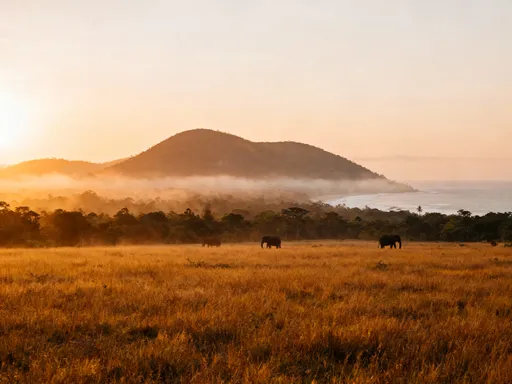
Just a two-hour drive southwest of Mombasa lies the Shimba Hills National Reserve, a place of striking ecological contrast. Here, the golden grasslands of the savannah rise into misty highlands covered in dense rainforest, creating a landscape that feels both familiar and otherworldly. The reserve spans over 500 square kilometers and is one of the few places in Kenya where these two distinct ecosystems converge. This unique blend supports an extraordinary range of wildlife, from large mammals to rare birds and delicate orchids.
The reserve is perhaps best known for its population of African elephants, one of the most accessible herds in coastal Kenya. Unlike the vast migrations of Tsavo or Amboseli, the elephants of Shimba Hills live in smaller family groups that move through the forest and grasslands with a quiet grace. Seeing them emerge from the mist at dawn, their ears flapping gently as they browse on leaves, is a moment of pure awe. The reserve is also home to the rare sable antelope, a majestic creature with sweeping backward-curving horns and a deep chestnut coat. Though shy and elusive, sable antelopes can sometimes be spotted grazing in open clearings during the early morning hours.
But it’s not just the large animals that make Shimba Hills special. The reserve hosts over 200 bird species, including the bright green turaco and the crowned hornbill. Butterflies flutter through sunlit glades, and at night, the forest comes alive with the calls of bushbabies and the occasional leopard. The Sheldrick Falls, a scenic waterfall nestled in the heart of the reserve, adds to the sense of enchantment. A short hike leads to the viewing platform, where travelers can feel the cool mist on their skin and listen to the steady rush of water.
For visitors, Shimba Hills offers an ideal day-trip destination from Mombasa. Entry fees are reasonable, and the park is well-maintained with clear signage and designated picnic areas. The best time to visit is early morning or late afternoon, when animals are most active and the light is soft for photography. Guided game drives and nature walks are available, led by experienced rangers who enhance the experience with their knowledge of animal behavior and plant ecology.
The reserve’s proximity to the coast makes it a perfect complement to a beach holiday. After days of sunbathing and swimming, a visit to Shimba Hills provides a refreshing change of pace—cooler temperatures, lush greenery, and the thrill of wildlife sightings. It’s a reminder that Mombasa’s natural offerings extend far beyond the shoreline, inviting travelers to explore the rich diversity of Kenya’s coastal hinterland.
Mangrove Trails and Coastal Wetlands
Along Mombasa’s intricate coastline, mangrove forests form a vital link between land and sea. These salt-tolerant trees grow in tangled networks along tidal channels, their stilt-like roots emerging from the mud like nature’s own architecture. While often overlooked, mangroves play a critical role in protecting Kenya’s shoreline from erosion, filtering pollutants, and providing habitat for countless marine species. They are also carbon sinks, storing large amounts of carbon dioxide and helping mitigate climate change—a fact that makes their preservation even more urgent.
For travelers, walking through a mangrove trail is a uniquely immersive experience. Boardwalks and guided footpaths wind through the root systems, allowing visitors to observe the ecosystem up close. At low tide, the exposed mud reveals burrows of mudskippers—amphibious fish that crawl on land—and the intricate tunnels of crabs. The air is thick with the scent of salt and damp wood, and the silence is broken only by the occasional splash or birdcall. It’s a place that invites reflection, where the slow rhythms of nature encourage mindfulness and presence.
Several conservation groups and local communities now offer educational mangrove walks, combining ecological awareness with cultural storytelling. Guides explain how mangroves support fisheries by serving as breeding grounds for fish, how they buffer coastal villages from storm surges, and how traditional knowledge has long recognized their value. These walks often include tree-planting activities, allowing visitors to contribute directly to restoration efforts. Participating in such a program is not only meaningful but also deeply satisfying—a tangible way to give back while learning about the environment.
The quiet beauty of the mangroves offers a powerful contrast to the energy of Mombasa’s urban centers. There are no shops, no music, no crowds—just the natural world in its quiet, resilient state. For families, these trails provide a safe and engaging way to teach children about ecology and conservation. For solo travelers, they offer solitude and a chance to reconnect with nature on a deeper level. Whether viewed as a classroom, a sanctuary, or a living laboratory, the mangrove wetlands of Mombasa are a testament to the quiet strength of coastal ecosystems.
Choosing the Right Time: Seasonal Shifts in Mombasa’s Nature Spots
Understanding Mombasa’s climate is key to planning a rewarding nature-focused trip. The region experiences two main seasons: the dry season, which runs from late June to October and again from December to February, and the long rainy season, from March to May. The dry months are generally the best time to visit natural sites, as trails are more accessible, wildlife is easier to spot near water sources, and the skies are clearer for photography. During this period, the humidity is lower, and the weather is more comfortable for outdoor activities like hiking, kayaking, and birdwatching.
The wet season, while lush and green, can make some areas difficult to navigate. Heavy rains may flood forest paths, and lagoons may become murky. However, this time of year has its own rewards. The landscape is at its most vibrant, with flowers in bloom and waterfalls flowing at full strength. It’s also an excellent time for birdwatching, as migratory species arrive from Europe and Asia. The Arabuko Sokoke Forest, in particular, comes alive during the rains, with frogs calling at night and butterflies emerging in dazzling numbers.
Animal activity also varies by season. Elephants in Shimba Hills are more visible during the dry months when they gather around permanent water sources. Similarly, reptiles and amphibians are more active during the rains, offering unique opportunities for observation. Birdwatchers should plan visits around migration peaks—October to November and March to April—for the best chance to see rare and seasonal species.
Travelers should also consider how weather affects comfort and logistics. The dry season offers more predictable conditions, making it easier to plan day trips and outdoor excursions. However, it is also the peak tourist period, so booking guides and park entries in advance is advisable. The shoulder months—June and November—can offer a balance of good weather and fewer crowds, making them ideal for those seeking a quieter experience.
Ultimately, the best time to visit depends on what kind of experience a traveler seeks. Whether it’s the crisp clarity of a dry-season morning or the lush abundance of the rainy months, Mombasa’s natural sites offer beauty and wonder year-round. With a little planning, visitors can align their trip with the rhythms of nature to create a truly memorable journey.
Travel Tips for a Meaningful, Low-Impact Nature Experience
To fully enjoy Mombasa’s natural gems, thoughtful preparation is essential. Packing light, breathable clothing in neutral colors helps travelers stay comfortable and minimizes disturbance to wildlife. A wide-brimmed hat, sturdy walking shoes, and a refillable water bottle are practical essentials. For forest and wetland visits, insect repellent and a lightweight rain jacket are advisable. Sunscreen is important, but travelers should choose reef-safe, eco-friendly formulas to protect marine life in coastal areas.
Responsible waste management is crucial. Visitors should carry reusable containers and avoid single-use plastics. All litter, including food wrappers and biodegradable items, should be packed out. Many local guides emphasize the importance of leaving no trace, and following this principle helps preserve the integrity of these fragile environments.
Supporting local guides and community-based tourism initiatives not only enhances the experience but also ensures that economic benefits stay within the region. These guides offer invaluable knowledge, from animal tracking to plant identification, and their storytelling adds cultural depth to any excursion. By choosing ethical operators, travelers contribute to conservation and sustainable development.
Finally, approaching nature with humility and respect transforms a simple trip into a lasting memory. Slowing down, listening, and observing quietly allows for deeper connections—with the landscape, the wildlife, and oneself. These moments of stillness, whether watching a heron stalk the shallows or standing beneath a forest canopy, are what make travel truly meaningful. In Mombasa’s hidden natural gems, the real journey isn’t about ticking off destinations—it’s about opening the heart to wonder and returning home changed.
Mombasa’s natural scenery offers a quiet, powerful contrast to its bustling streets and crowded beaches. By stepping into its forests, lagoons, and hills, travelers don’t just see a new side of Kenya—they become part of a larger story of preservation and wonder. The real magic isn’t in checking off landmarks, but in slowing down and letting nature lead the way.