You Won’t Believe These Hidden Vienna Experiences Most Tourists Totally Miss
Vienna is more than imperial palaces and coffee houses—there’s a whole other side most travelers never see. I stumbled upon quiet courtyards, local art jams, and thermal baths tucked away from the crowds. These off-the-beaten-path moments gave me a deeper, more authentic feel for the city. If you’re looking to move beyond guidebook checklists, these hidden activity experiences will transform your trip into something truly special. They offer a chance to slow down, connect with local rhythms, and discover the soul of Vienna beyond its postcard-perfect façade. This is not about ticking off monuments, but about feeling the pulse of daily life in a city that reveals its best secrets only to those who wander with curiosity.
Beyond the Guidebook: Discovering Vienna’s Secret Pulse
Most visitors to Vienna follow a familiar path: the Ringstrasse, Schönbrunn Palace, St. Stephen’s Cathedral, and a morning at a historic coffee house. These landmarks are undeniably magnificent, but they represent only one layer of the city’s identity. Beneath the grandeur lies a quieter, more intimate Vienna—one shaped by neighborhood life, local traditions, and the rhythms of everyday Austrians. To experience this hidden dimension, travelers must shift their mindset from sightseeing to sensing. It’s not about how many places you visit, but how deeply you engage with the ones you do.
Exploring Vienna beyond the guidebook means venturing into districts rarely mentioned in brochures—places like Brigittenau, Favoriten, or Ottakring. These areas may lack golden domes and royal portraits, but they offer something just as valuable: authenticity. A simple walk through a residential street can reveal laundry fluttering between buildings, children playing in pocket parks, and the warm glow of living rooms behind lace curtains. These are not staged scenes for tourists; they are real moments of urban life unfolding naturally.
What makes these experiences so powerful is their spontaneity. You won’t find them listed on hop-on-hop-off bus routes or marked with bronze plaques. Instead, they emerge when you allow yourself to get slightly lost, to follow a winding alley just because it looks inviting, or to accept a nod and smile from a neighbor tending geraniums on a balcony. In these moments, Vienna stops being a museum and starts feeling like a home—a place where history lives not in display cases, but in the habits, greetings, and gestures of its people.
The shift from tourist to traveler is subtle but profound. It means replacing rigid itineraries with openness, and checklist mentality with presence. When you begin to notice the way sunlight filters through a vine-covered courtyard at 4 p.m., or how a tram conductor greets regulars by name, you’re no longer just passing through. You’re beginning to understand Vienna on its own terms—gentle, orderly, yet full of quiet warmth. This deeper connection doesn’t require special access or insider status. It only asks for attention, patience, and a willingness to look beyond the obvious.
Morning Rituals in Hidden Courtyards and Local Markets
One of the most rewarding ways to experience Vienna’s authentic rhythm is to rise early and join locals in their morning routines. While most tourists linger over cappuccinos in famous coffee houses, residents are already moving through a different kind of ritual—one centered on neighborhood markets, family-run bakeries, and the quiet awakening of inner-city courtyards. These spaces, known locally as *Innenhöfe*, are hidden behind unassuming street-level entrances and often require a simple push of a door to enter. Once inside, you step into a world of greenery, sunlight, and stillness, far removed from the city’s bustling avenues.
In districts like Mariahilf or Leopoldstadt, these courtyards are more than architectural features—they are communal lungs. Some house small gardens where residents grow herbs and flowers, while others contain quiet benches, drying laundry lines, or even shared workshops. Early in the morning, you might see an elderly woman watering potted plants, a delivery person leaving a package at a ground-floor apartment, or a cat stretching on a sunlit windowsill. There’s no performance here, no need to impress. These are private spaces that, by their very openness, invite respectful observation.
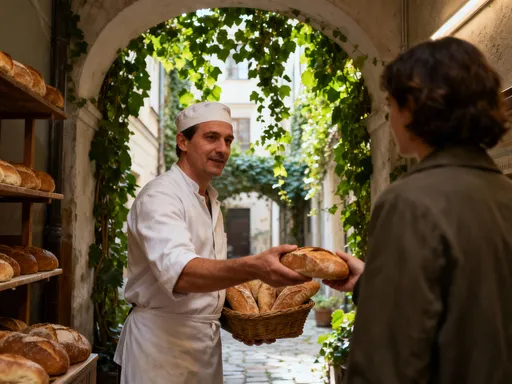
Equally revealing are Vienna’s neighborhood markets, where the city’s culinary soul comes alive. While Naschmarkt draws international crowds with its global food stalls, its quieter edges and adjacent markets like Brunnenmarkt or Karmelitermarkt offer a more grounded experience. At these places, locals arrive with reusable bags, greet vendors by name, and haggle gently over the price of ripe apricots or fresh goat cheese. The air is rich with the scent of baking bread, roasting coffee, and just-cut herbs. A simple purchase—a warm *Kornspitz* from a family bakery, a jar of homemade jam—becomes a small act of connection.
These morning rituals are not just about food or convenience; they reflect a culture that values routine, quality, and personal interaction. Unlike the transactional nature of many tourist cafes, these exchanges are relational. A vendor remembers your order, a neighbor offers a comment on the weather, and the day begins not with haste, but with intention. For the visiting traveler, participating—even silently—can create a sense of belonging, however fleeting. It’s a reminder that Vienna’s charm isn’t confined to its monuments, but lives in the quiet, daily acts of its people.
Urban Nature Escapes: Vienna’s Underrated Green Havens
Vienna is one of the greenest capitals in Europe, yet many visitors confine their nature experiences to the manicured lawns of the Volksgarten or the shaded paths of the Prater. Beyond these well-trodden parks lie a network of wilder, quieter green spaces that offer solace and recreation without the crowds. These urban oases are not hidden because they are inaccessible, but because they require a slight detour from the central tourist corridor—a small effort that rewards with peace, beauty, and a deeper connection to the city’s natural rhythm.
One such retreat is the Lainzer Tiergarten, a former imperial hunting ground turned nature reserve on the city’s western edge. Spanning over 2,000 hectares, it features dense forests, open meadows, and trails that wind past grazing deer and ancient stone watchtowers. Unlike the structured paths of central parks, Lainzer encourages exploration. You might follow a dirt trail through beech woods, emerge at a clearing with views of the Vienna Woods, or spot a red fox darting between trees. The park is easily reachable by bus or S-Bahn, making it a feasible half-day escape even for short-term visitors.
Another lesser-known gem is the Alte Donau, a crescent-shaped oxbow lake formed when the Danube was rerouted in the 19th century. Today, it’s a haven for swimmers, paddleboarders, and cyclists. The reed-lined banks provide shelter for birds and amphibians, while wooden jetties extend into the water, offering quiet spots to sit and watch the light shift across the surface. In summer, locals picnic on the grassy shores or rent small boats for leisurely tours. The atmosphere is relaxed, unhurried—far removed from the formality of city-center attractions.
Even within the inner districts, Vienna hides green sanctuaries. The Augarten, home to the famous porcelain factory, also contains a sprawling park with centuries-old trees, rose gardens, and open lawns where families fly kites or play frisbee. Nearby, the Donauinsel—a long, narrow island between the Danube and a flood-control channel—offers jogging trails, barbecue areas, and even open-air concerts in summer. These spaces are not just decorative; they are functional, democratic, and deeply woven into Viennese life. They reflect a city that values balance—between urbanity and nature, activity and rest, social life and solitude.
What makes these green havens so restorative is their accessibility. Vienna’s public transport system ensures that even the most remote parks are within reach, often just 20 to 30 minutes from the city center. A simple U-Bahn ride or tram journey can transport you from marble halls to forest paths. For the mindful traveler, incorporating these spaces into a visit isn’t a detour—it’s an essential part of understanding how Viennese people live, unwind, and recharge. In a city that prizes order and elegance, these wilder corners offer a necessary counterbalance: freedom, freshness, and the simple joy of being outdoors.
Local Art & Culture: From Underground Exhibits to Spontaneous Street Jams
While Vienna’s cultural reputation rests on institutions like the Kunsthistorisches Museum and the Vienna State Opera, a vibrant grassroots art scene thrives in the city’s quieter corners. This is where creativity happens not on polished stages, but in converted warehouses, community centers, and pop-up galleries. These spaces are often run by collectives, emerging artists, or neighborhood initiatives, and they offer a more intimate, participatory form of cultural engagement. For travelers seeking authenticity, they provide a chance to witness art in its rawest, most unfiltered form.
In districts like Margareten or Favoriten, former industrial buildings have been transformed into cultural hubs. One evening, you might stumble upon an open-studio night where painters, sculptors, and ceramicists welcome visitors into their workspaces. There’s no ticket required, no formal exhibition guide—just conversation, coffee, and the chance to see art being made. These events often include live music, poetry readings, or small food stands run by local cooperatives. The atmosphere is warm, inclusive, and refreshingly unpretentious.
Music, too, finds unexpected stages in Vienna. Beyond the grand concert halls, the city pulses with informal performances—jazz trios in basement cellars, folk bands in hidden courtyards, or solo violinists practicing in quiet plazas. In Leopoldstadt, a neighborhood with a rich cultural history, small jazz clubs host weekly sessions that draw both seasoned musicians and curious passersby. These aren’t tourist shows with fixed schedules; they emerge organically, often announced only on community boards or local event apps like Wien.info or Eventbrite.
For the traveler, finding these moments requires a bit of research and a willingness to wander. Checking local listings, visiting neighborhood cultural centers, or simply asking at a café can yield surprising results. The reward is not just entertainment, but connection. When you sit on a folding chair in a dimly lit cellar listening to a saxophonist improvise, or watch children dance to a street band in a cobblestone square, you’re not observing culture from a distance—you’re part of it. These experiences remind us that Vienna’s artistic soul isn’t confined to the past, but is alive, evolving, and deeply rooted in community.
Thermal Relaxation Off the Radar: Lesser-Known Spas and Baths
Vienna is renowned for its thermal baths, and places like the Therme Wien or the historic sauna landscape of the Römerbad attract visitors seeking relaxation. Yet for those who prefer tranquility over crowds, the city offers quieter alternatives—smaller spas, hotel wellness areas open to day guests, and neighborhood saunas that cater primarily to locals. These spaces maintain the same traditions of thermal bathing—alternating heat, cold, and rest—but with a more personal, serene atmosphere.
In the 16th district of Ottakring, for example, certain municipal facilities offer sauna circuits with minimal fanfare. These are not luxury resorts, but functional, clean spaces where residents come after work to unwind. The etiquette is simple: silence is respected, towels are required, and mobile phones are discouraged. The experience follows a deliberate rhythm—spending time in a dry sauna, cooling down with a dip or a cold shower, then resting in a quiet room with herbal tea. It’s a ritual of self-care that reflects the Viennese value of *Gemütlichkeit*, or cozy contentment.
Some boutique hotels in quieter districts also open their spa facilities to non-guests for a fee. These often include small indoor pools, steam rooms, and relaxation lounges with views of private gardens. Because they serve a limited number of visitors, these spaces remain peaceful even during peak travel seasons. A two-hour session can feel like a mini-retreat—an opportunity to pause, breathe, and reset amidst the pace of a busy itinerary.
The benefits of thermal bathing extend beyond physical relaxation. Studies have shown that regular sauna use can improve circulation, reduce stress, and support sleep—all valuable for travelers adjusting to new time zones and activity levels. In Vienna, where wellness is integrated into daily life, these practices are not indulgences, but routines. By participating, even briefly, visitors gain insight into a culture that prioritizes balance and well-being. It’s a reminder that true luxury isn’t always about opulence, but about space, stillness, and the permission to slow down.
Evening Adventures: Vienna After Dark, Beyond the Opera
As dusk falls, Vienna transforms. The golden glow of streetlamps illuminates baroque facades, trams glide through quiet squares, and a different kind of energy emerges—one that is softer, more intimate than the daytime bustle. While the opera and concert halls draw formal audiences, the city’s evening soul reveals itself in quieter corners: candlelit wine taverns, jazz cellars, and riverside paths where couples stroll under the stars. These are the moments when Vienna feels most alive to those who seek connection over spectacle.
In the outskirts of districts like Liesing or Mauer, traditional *Heurigen*—family-run wine taverns—open their doors in the evenings. These rustic inns serve locally produced wine, often from the owners’ own vineyards, alongside simple dishes like cold cuts, bread, and pickled vegetables. There’s no menu, no reservation system—just a warm welcome and a seat at a shared wooden table. Music, if present, is informal: a guitar, an accordion, or neighbors singing folk songs. The atmosphere is convivial, unhurried, and deeply rooted in regional tradition.
For music lovers, Vienna’s jazz scene offers another alternative to the grand concert halls. Intimate venues in Leopoldstadt or Neubau host nightly performances by local and international artists. These cellars and small halls seat no more than 50 people, creating an immediacy that larger venues cannot match. You can see the sweat on a drummer’s brow, hear the subtle improvisation in a bassline, and feel the collective breath of the audience between sets. Tickets are affordable, and many places allow drop-in visits, making them accessible even for spontaneous plans.
Another peaceful way to experience Vienna at night is a walk along the Danube Canal. Lit by strings of lights and the occasional barge, the path offers views of the city skyline, reflections on the water, and the gentle hum of distant conversation. Cafés and bars spill onto the sidewalk, but further from the center, the noise fades, leaving only the sound of water and footsteps. It’s a perfect moment to reflect, to breathe, to remember why you travel—not just to see, but to feel.
How to Find Hidden Gems: A Practical Mindset for Authentic Exploration
Discovering Vienna’s hidden experiences doesn’t require a secret map or local citizenship. It begins with a shift in mindset—one that values curiosity over convenience, and presence over productivity. The most meaningful moments often arise not from meticulous planning, but from openness to the unexpected. By adopting a few simple habits, any traveler can move beyond the tourist trail and into the heart of the city’s everyday life.
First, consider walking without GPS. While navigation apps are useful, they often funnel you toward the most popular routes. By using a paper map or a general sense of direction, you allow for serendipity—a wrong turn that leads to a sunlit courtyard, a chance encounter with a street musician, or the smell of baking bread that draws you into a neighborhood bakery. Getting slightly lost is not a failure; it’s an invitation to explore.
Second, talk to residents. A simple greeting, a question about a nearby market, or a compliment on a garden can open doors—sometimes literally. Viennese people may seem reserved at first, but many appreciate genuine interest in their city. A cashier at a grocery store, a tram driver, or a librarian might offer a recommendation no guidebook contains: a quiet park, a seasonal festival, or a family-run eatery with the best *Tafelspitz* in the district.
Third, use local resources. Websites like Wien.info, neighborhood cultural centers, and community bulletin boards often list events that never make international tourism platforms. From open-air film screenings in hidden gardens to craft workshops in repurposed schools, these activities offer a window into local life. Even riding the U-Bahn or tram without a fixed destination can lead to discovery—each stop a new neighborhood, each line a different slice of the city.
Finally, embrace flexibility. Let your schedule breathe. Instead of packing every hour with sights, leave space for lingering—a longer coffee, an unplanned gallery visit, a conversation with a stranger. These pauses are where memories are made. Vienna, with its emphasis on rhythm and balance, rewards those who move at its pace. When you slow down, you begin to see not just the city, but the life within it.
These hidden experiences—quiet courtyards, local markets, green escapes, underground art, thermal rituals, and intimate evenings—do more than enrich a trip. They transform it. They shift the focus from accumulation to absorption, from seeing to feeling. And in doing so, they reveal a truth about travel: the most lasting impressions are not the ones you plan, but the ones that find you. Vienna, with its layered history and living traditions, offers countless such moments—if you’re willing to look beyond the obvious.